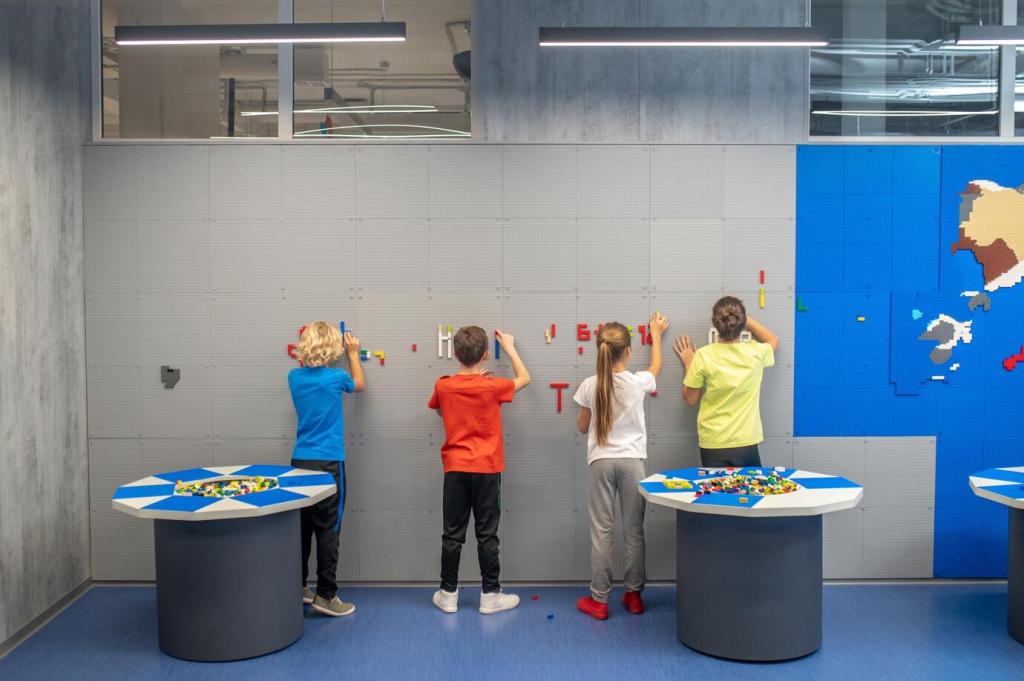
Chosen theme: Scavenger Hunts at Museums. Turn every gallery into a playground for curiosity, connection, and discovery. Whether you’re planning for families, friends, teams, or dates, we’ll help you craft playful, respectful adventures. Share your favorite clue idea and subscribe for fresh hunt inspirations.
Why Museum Scavenger Hunts Spark Deeper Discovery
Great hunts use gentle challenges—spotting motifs, decoding symbols, matching textures—while honoring museum rules. The structure gives autonomy and purpose, yet keeps quiet voices, careful movement, and thoughtful observation at the center. Tell us your favorite respectful challenge.
Hunting encourages retrieval practice and focused attention, helping details lodge in long-term memory. A parent once wrote us that their child remembered a tiny chisel mark on a statue’s wrist weeks later, because a clue invited close, careful looking.
Hunts spark teamwork: one person scans labels, another watches patterns, a third connects clues. Light roles reduce awkwardness and invite conversation. Quiet high-fives feel magical in galleries. Comment with the team role you naturally take during hunts.
Choose the right museum and route
Pick a museum with varied galleries and clear wayfinding. Map a loop with a midpoint rest and a simple start. Avoid bottlenecks and fragile areas. Keep distances short, and anchor clues to permanent exhibits for reliability across visits.
Craft clues with layered difficulty
Use a mix: riddles, visual matches, micro-detail searches, and interpretive prompts. Offer optional hints for beginners and bonus challenges for experts. Reward curiosity, not speed. Share one clue that invites noticing texture, color, or symmetry, and we may feature it.
Pacing, breaks, and meeting points
Plan a relaxed tempo with water breaks and quiet reflection moments. Add a clear meeting spot near seating. Encourage sketching or brief journaling. A gentle finale—like sharing favorite finds—turns a game into a memory. Subscribe for pacing checklists.
Family-Friendly Hunts for Kids, Teens, and Everyone
Keep clues concrete and visual: “Find a creature with wings and three colors,” or “Spot something smaller than your hand.” Build in movement breaks, and include a “quiet clue” for calm focus. Comment with your best kid-friendly, respectful prompt.
Assign roles: Navigator, Detail Detective, Timekeeper, and Scribe. Rotate every gallery so everyone leads. Reflection reveals strengths without pressure. Afterward, share one surprise you learned about a teammate or partner. Post your favorite role rotations in the comments.
Move slowly, keep voices low, and never touch objects or barriers. Step aside for other visitors. Avoid blocking labels and pathways. Thank guards and volunteers. Add your favorite etiquette tip below so newcomers learn from your experience.
Etiquette, Inclusion, and Museum Partnership
Offer sensory breaks, quiet routes, and opt-out alternatives. Provide clear, predictable instructions and visual schedules. Avoid time pressure where possible. Ask participants what supports help them succeed. Subscribe for our evolving, community-informed accessibility checklist and inclusive clue ideas.