Educational Play Areas in Museums: Where Curiosity Becomes Knowledge
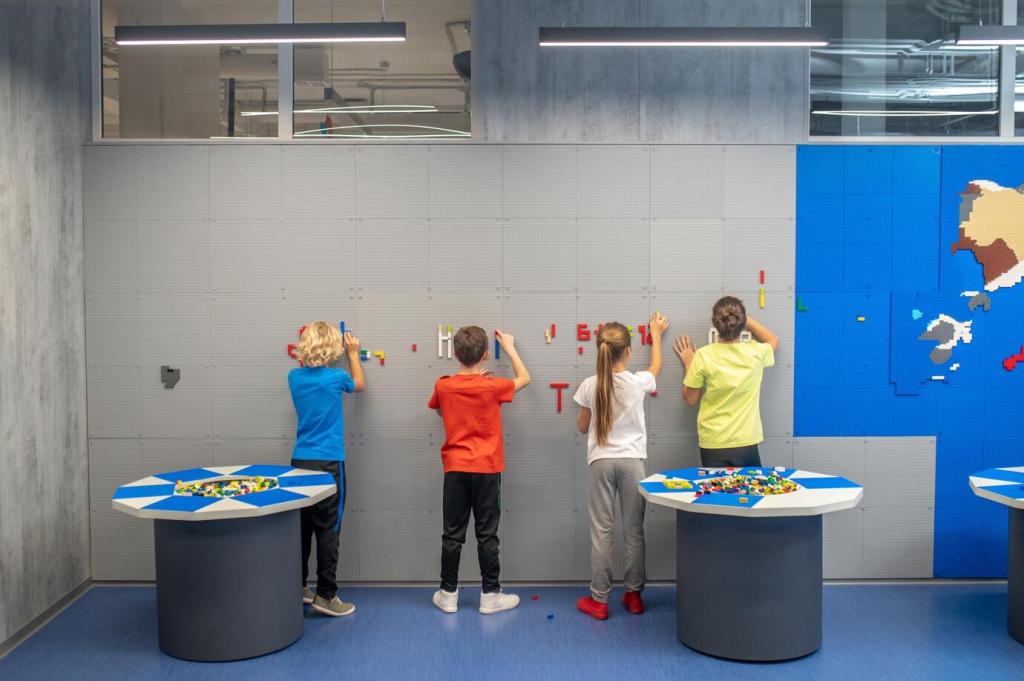
Chosen theme: Educational Play Areas in Museums. Step into spaces where hands-on discovery ignites young minds and intergenerational learning flourishes. Explore design, stories, and strategies that transform play into lasting understanding—then share your insights and subscribe for more museum play inspiration.
Designing for Curiosity: Core Principles of Museum Play Areas
Divide spaces into clear zones—build, explore, imagine—so children intuitively understand what to do. Wayfinding icons and color coding support autonomy, while subtle transitions reduce overstimulation and guide families through a narrative of discovery without heavy signage.
Ramps, balls, and pulleys spark hypotheses about speed and force. As children adjust angles and surfaces, they predict outcomes, refine ideas, and begin to internalize cause-and-effect models that resemble actual scientific reasoning practiced in laboratories.
Language Growth Through Naming, Narrating, and Negotiating
Open-ended play invites children to label actions and narrate stories, while turn-taking fosters respectful dialogue. Caregivers scaffold vocabulary—terms like friction, balance, or pattern—anchoring new words to concrete experiences that are easier to remember and reuse later.
Prompts like “Build a bridge for the heaviest animal” invite creativity and persistence. Children try, fail, and try again, internalizing that problems have many paths forward, and that learning thrives on iteration rather than immediate perfection.
Simple Machines That Encourage Big Thinking
Levers, gears, and wheels make complex physics tactile. By connecting gears or balancing weights, children witness invisible forces made visible, and they develop intuitive models that later support formal instruction in physics and engineering classrooms.
Feedback Walls That Celebrate Process Over Product
Display sketches, test results, and child-authored tips. When families see iterations pinned proudly, they value effort and strategy. A child’s note—“Make the ramp rougher!”—often unlocks another family’s breakthrough and sparks delightful cross-family collaboration.
Stories You Can Touch: Role-Play in History and Art Museums
Scaled stalls, replica tools, and safe excavation trays immerse children in daily life from other times. Carefully crafted props mirror museum collections, helping kids connect objects in cases to the hustle and texture of real human stories.
Inclusive by Design: Sensory-Friendly, Accessible Play
01
Provide adjustable lighting, sound-dampening panels, and multiple tactile options. Offer noise-reduction headphones and visual timers. Clear, predictable routines reduce anxiety while preserving the thrill of discovery and the freedom to explore at a child’s pace.
02
Add large-grip handles, dual-height work surfaces, picture schedules, and symbol-supported labels. QR codes with audio descriptions and simple gestures empower non-readers and multilingual families to participate fully without needing constant staff intervention.
03
Quiet alcoves and small tents allow children to regulate energy and regroup. Activities with multiple entry points—watch, touch, or build—ensure success for different abilities and comfort levels, making inclusion feel natural rather than forced.
Grown-Ups as Guides: Coaching Caregivers to Facilitate Play
Swap “What’s the right answer?” for “What do you notice?” and “What might happen if…?” These prompts keep curiosity alive, helping children claim ownership of ideas while caregivers feel empowered to support exploration with confidence.
Choose replaceable parts and forgiving finishes that survive thousands of hands. Hidden magnets, rounded edges, and non-toxic coatings sustain beauty and safety, ensuring exhibits look inviting after months of enthusiastic, messy, constructive play.
Reset Rituals Families Can Join
Visible clean-up cues and playful reset bins invite children to help. When closing bells cue a two-minute tidy, stewardship becomes part of the experience, teaching responsibility alongside engineering, artmaking, and collaborative problem-solving.
Safety as a Design Feature, Not a Buzzkill
Soft landings, stable bases, and clear height limits enable big movement with minimized risk. Risk-managed play builds confidence and judgment, showing children that museums trust them to explore wisely and care for shared spaces.
Observation Protocols That Respect the Moment
Time-sampling and interaction mapping reveal where engagement peaks or stalls. Discreet badges or colored clipboards cue staff roles, minimizing disruption so families remain immersed while evaluators capture meaningful, actionable patterns in real time.
Visitor Voices as Design Partners
Comment walls, quick exit polls, and child-drawn feedback cards surface ideas adults miss. When a five-year-old suggests “Wheels for the heavy blocks,” that insight can reshape layouts and unlock equitable access for younger builders.
Iterate, Test, Share, Repeat
Swap one variable—material, height, prompt—and retest. Publish small wins and lessons learned to inspire peers. Iteration proves to stakeholders that educational play areas are not indulgences but strategic, evidence-based engines of learning.