
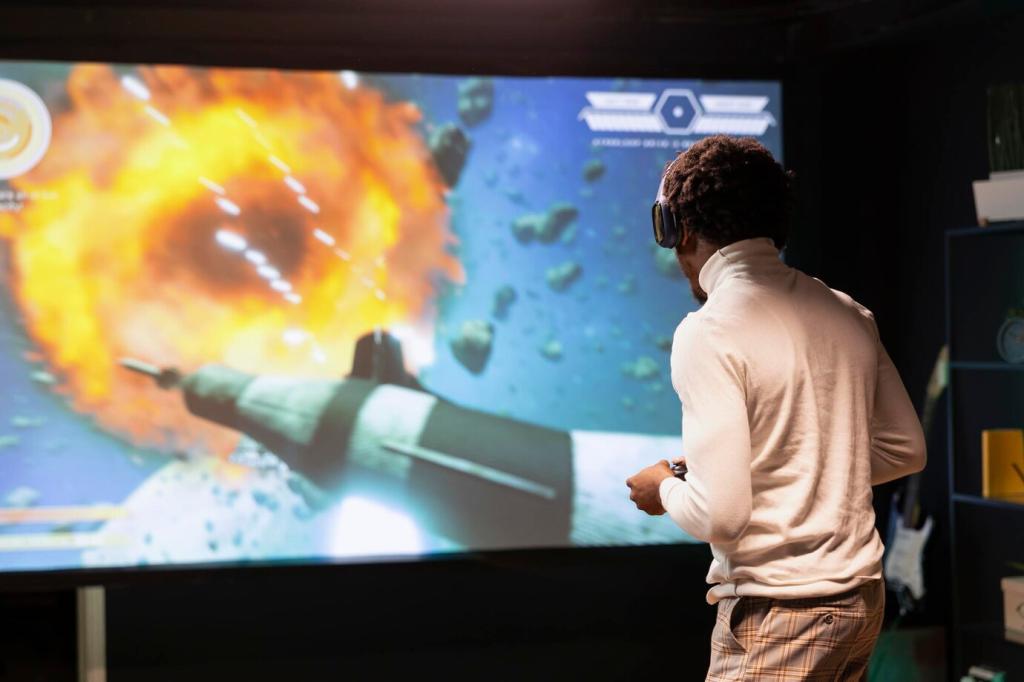
Spark Wonder: Interactive Exhibits for Kids

Chosen theme: Interactive Exhibits for Kids. Dive into playful learning, hands-on adventures, and design stories that turn curiosity into confidence. Join our community to share ideas, suggest future topics, and subscribe for fresh inspiration.

Why Interactive Exhibits for Kids Matter

When children manipulate objects, test cause and effect, and verbalize discoveries, they build lasting neural pathways. Interactive exhibits for kids transform abstract concepts into memorable, hands-on experiences that stick, spark dialogue, and make learning feel like an adventure worth repeating.

Why Interactive Exhibits for Kids Matter

We watched a shy seven-year-old rewire a simple circuit panel and light a giant wall mural. Minutes later, she was coaching peers, proudly explaining switches and loops. Interactive exhibits for kids often become stages where confidence grows louder than hesitation.

Designing Hands-On Discovery

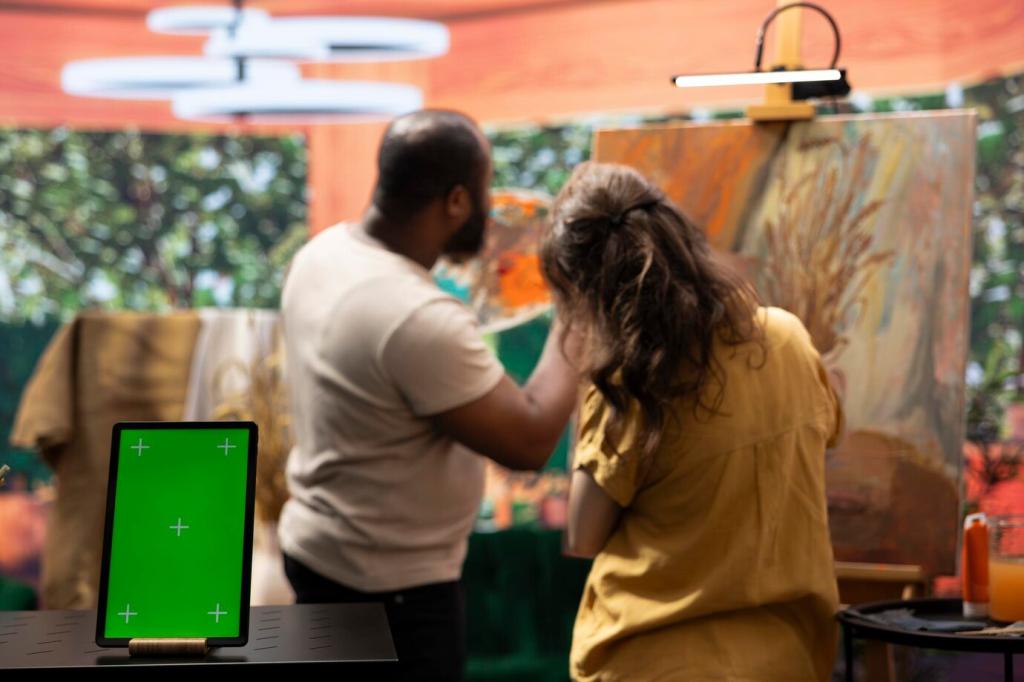
Use color cues, tactile textures, and gentle sound feedback so children immediately know what to do. Big handles say “pull,” textured knobs whisper “turn,” and glowing edges hint “touch here.” Sensory clarity reduces confusion and invites confident, independent exploration.

Designing Hands-On Discovery

Build fast with cardboard, tape, and clay. Watch where kids hesitate, rush, or improvise new rules. Those moments reveal friction and brilliance. Iterating with families saves time, strengthens durability, and keeps interactive exhibits for kids joyful rather than complicated.

Designing Hands-On Discovery

Are you tinkering with a hands-on idea? Post a snapshot, describe the challenge you hope to solve, and ask our community for feedback. Subscribe to get our printable prototyping checklist and kid-friendly user testing questions.

Technology That Sparks Curiosity

Tangible First, Screens Second

Kids learn best when their hands lead. Favor buttons, cranks, and gears that translate motion into visible change. Screens can add context, but the core should remain touchable. Interactive exhibits for kids thrive when technology amplifies, not overshadows, real-world cause and effect.

A Peek into an AR Sandbox

In one gallery, children sculpt hills and rivers in real sand while projected contours shift in real time. A five-year-old dubbed himself “Chief Rainmaker,” summoning storms with a gesture. That blend of physics, geography, and play keeps families exploring far longer.

Universal Design Essentials

Provide adjustable heights, clear reach ranges, and seated options. Add braille labels, high-contrast graphics, and tactile maps. Offer alternative input methods. When every child can participate, learning becomes communal, generous, and proudly shared among siblings and friends.

Durability Meets Dignity

Use rounded edges, robust hinges, and easy-clean materials without making the space feel clinical. Clear pictograms and gentle audio prompts reduce overload. Interactive exhibits for kids should survive enthusiastic play while respecting children’s independence and sense of agency.

Help Us Improve Access

Do you visit with sensory needs, mobility devices, or neurodivergent learners? Share what works and what doesn’t—quiet hours, visual schedules, calm corners, or social stories. Your insights shape our accessibility toolkit. Subscribe to receive updates as new resources launch.

This is the heading

Lorem ipsum dolor sit amet, consectetur adipiscing elit. Ut elit tellus, luctus nec ullamcorper mattis, pulvinar dapibus leo.

This is the heading

Lorem ipsum dolor sit amet, consectetur adipiscing elit. Ut elit tellus, luctus nec ullamcorper mattis, pulvinar dapibus leo.

Measuring Impact Without Killing Joy

Observe What Matters

Track dwell time, collaboration, and repeat tries. Listen for “Aha!” moments and peer-to-peer teaching. These signals often reveal more than quizzes. Interactive exhibits for kids succeed when curiosity spreads naturally across siblings and caregivers.

Iterate with Integrity

Use quick exit prompts, color-coded tokens, or unobtrusive counters. Adjust difficulty ramps, clarify prompts, or add wayfinding. Publish findings so families see their feedback honored—transparency builds trust and better experiences over time.

Get Our Evaluation Toolkit

Subscribe for observation sheets, sample interview questions, and an ethics checklist tailored for children’s spaces. Then tell us what surprised you most—your field notes help us refine the tools for the next release.

From Gallery to Classroom and Back

Loaner Kits that Travel Well

Pack durable components, clear instructions, and quick-reset designs. A portable mini-exhibit lets teachers replay the magic. Interactive exhibits for kids become catalysts for projects, presentations, and playful homework that still feels like discovery.

Teacher Partnerships

Co-create lesson plans aligned with curriculum goals. Offer professional learning days where educators test stations, share adaptations, and gather classroom extensions. Strong partnerships keep content accurate, engaging, and relevant across grades.

Your Turn: Share and Subscribe

Are you an educator or caregiver with a clever adaptation? Tell us what worked, what flopped, and what you’d try next. Subscribe for printable lessons, material lists, and monthly spotlights on community innovations.
Pdinitiative
Privacy Overview

This website uses cookies so that we can provide you with the best user experience possible. Cookie information is stored in your browser and performs functions such as recognising you when you return to our website and helping our team to understand which sections of the website you find most interesting and useful.